
Infection Control
Infection control is another critical competencies a CNA must have, and it shows up consistently on the exam for good reason. In a care facility, CNAs are in direct contact with patients for most of their shift — making them both a potential carrier of infection and the first line of defense against its spread. Understanding how infections are transmitted and how to interrupt that process is not optional knowledge; it is a core professional responsibility.
The CNA exam tests infection control heavily because errors in this area have real consequences for vulnerable patients. Questions go beyond hand hygiene basics and push into isolation procedures, PPE selection, and the chain of infection. The two practice tests below (Easy, and Difficult) are built to help you work through these concepts at increasing levels of complexity so you can approach exam day with confidence in this area.
How to Use These Practice Tests
Start with the Easy test to lock in your understanding of standard precautions, hand hygiene steps, and basic PPE use. The Difficult test presents layered scenarios involving multiple infection risks, PPE decisions, and transmission-based precaution choices. Completing all three in order is the most effective way to build solid infection control knowledge.
What Is Covered in the Infection Control Section
The exam covers infection control from both a procedural and conceptual standpoint. You need to understand not just what to do, but why each step matters in breaking the chain of infection.
Key subtopics include:
- The six links in the chain of infection and how to break them
- Standard precautions applied to all patient care
- Transmission-based precautions: contact, droplet, and airborne isolation
- Correct sequence for donning and doffing PPE
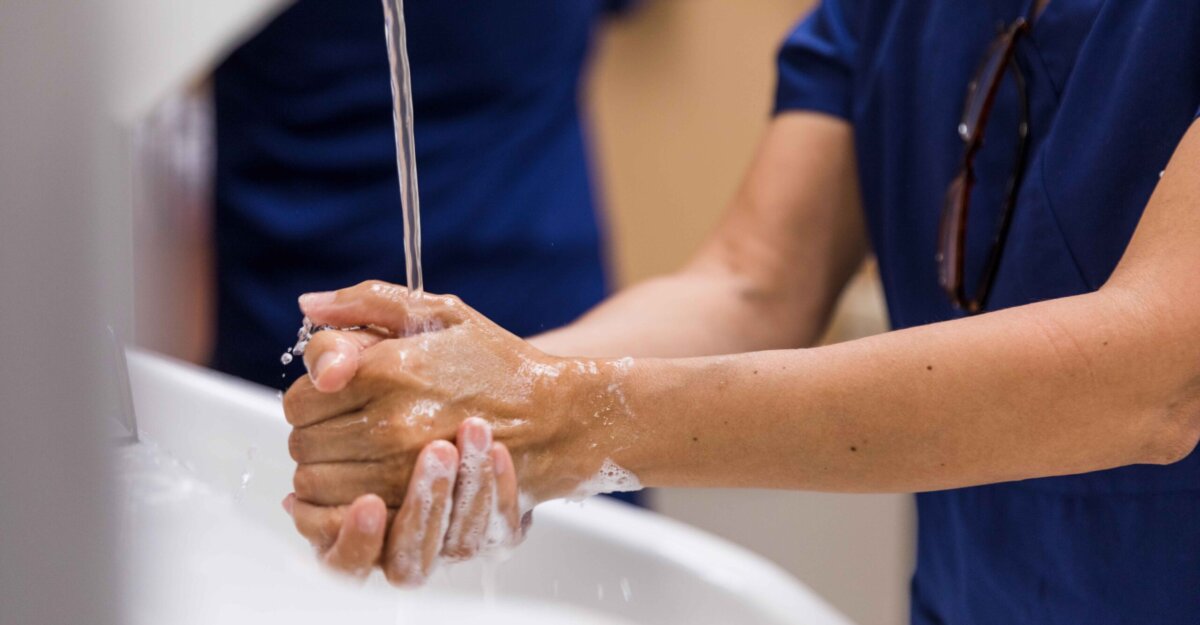
- Proper hand hygiene technique and when to use soap versus hand sanitizer
- Handling and disposing of contaminated materials and sharps safely
- Recognizing signs of infection and reporting them to the supervising nurse
Our Strategies for Infection Control Questions
Infection control questions on the CNA exam are often about sequence and priority. They test whether you perform steps in the correct order and whether you choose the right type of precaution for the specific transmission route involved. Getting the concept right but the order wrong is still a wrong answer.
- When a question involves putting on or removing PPE, always think through the full donning and doffing sequence — the exam frequently tests the first and last steps specifically.
- Common misconception: many test-takers assume gloves eliminate the need for hand hygiene. The correct answer almost always includes washing hands after glove removal, not instead of it.
- For isolation questions, match the precaution type to the transmission route — airborne, droplet, and contact precautions are not interchangeable.
- When multiple PPE items are needed, remember that gown goes on before gloves and mask is donned before entering the room.
Frequently Asked Questions
What does the Infection Control section test on the CNA?
It tests your knowledge of standard and transmission-based precautions, PPE use and sequencing, hand hygiene, and how to prevent the spread of infection during routine patient care.
What is the best way to prepare for Infection Control questions?
Memorize the chain of infection, study the three types of transmission-based precautions and when each applies, and practice the correct order of donning and doffing PPE until it is automatic.
What should I do if I keep struggling with Infection Control?
Break the topic into smaller parts — start with hand hygiene and standard precautions, then move to isolation types, and use the Easy test to check your understanding before tackling harder questions.